
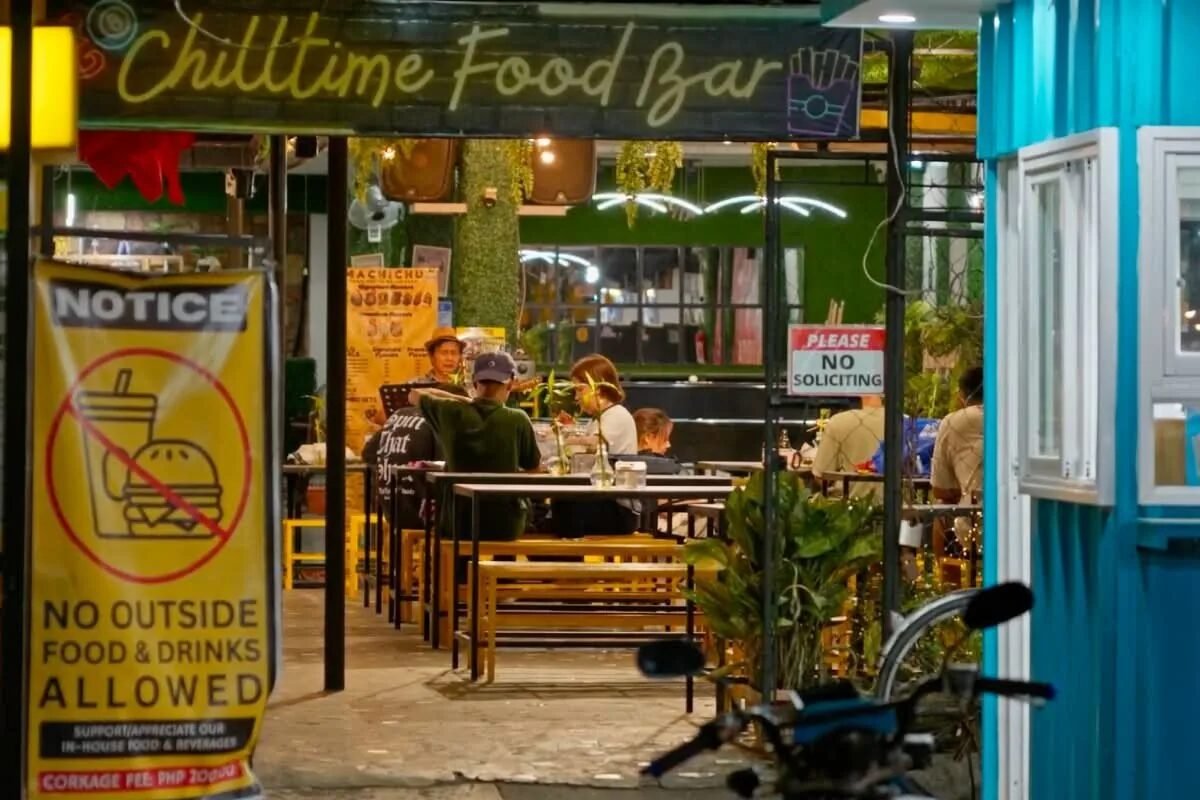
Living in the Philippines isn’t the permanent postcard many picture. Day to day it’s slower, more flexible and more demanding than Instagram suggests: a tropical rhythm, bureaucracy on its own clock, a home you have to adapt to the climate, and a community that carries the adjustment. Grasping that first decides whether the move adds to your life or wears you down.
Living in the Philippines sounds, to many, like a permanent postcard: beaches, tropical climate, a relaxed pace. Day to day looks nothing like a photo, and getting that is key before you weigh a move or a long stay.
The pace: slower, but not improvised
One of the first changes you notice is the pace.
- Things don’t always run at European urgency.
- Bureaucracy asks for patience.
- Planning keeps a different tempo.
For some people that’s freeing. For others, frustrating. Before you take the step, it’s worth understanding the cultural context, which we unpack in our cultural guide to the Philippines. Adapting isn’t only changing countries, it’s changing expectations.
The home: adapting to the setting
The tropical setting demands adaptation:
- proper ventilation,
- protection against humidity,
- materials that hold up.
Living in an urban European flat isn’t the same as a coastal Asian setting. We dig into it in the hidden side of tropical real estate, because climate hits your daily experience directly.
International and local community
In some parts of the Philippines there’s a settled international community: founders, digital nomads, foreign nationals with long-term projects. Integration with the local community counts too.
Cultural coexistence is one of the biggest rewards, and one of the biggest lessons. Here a key factor returns: community, not just as a real estate concept, but as real support for adapting.
Work and routine
If you work remotely, your routine can mix productive mornings, more flexible afternoons and time outdoors. It isn’t total freedom: managing the time zone, internet stability and personal organization are decisive, as we explain in working from the Philippines. Living well here isn’t escaping work, it’s redesigning your balance.
Cost of living and expectations
Many people link the Philippines with a low cost of living. The reality depends entirely on your style: you can live very simply or to international standards. We cover it in detail in how much it costs to live in the Philippines. The myth is thinking everything is cheap. The reality is that the context is flexible.
Living in the Philippines isn’t living on holiday. It’s adapting to a different rhythm, a different culture and a setting that asks for flexibility. For some profiles it’s a radical upgrade in quality of life. For others, a constant challenge. The key isn’t idealizing the destination, but understanding it before you decide.