
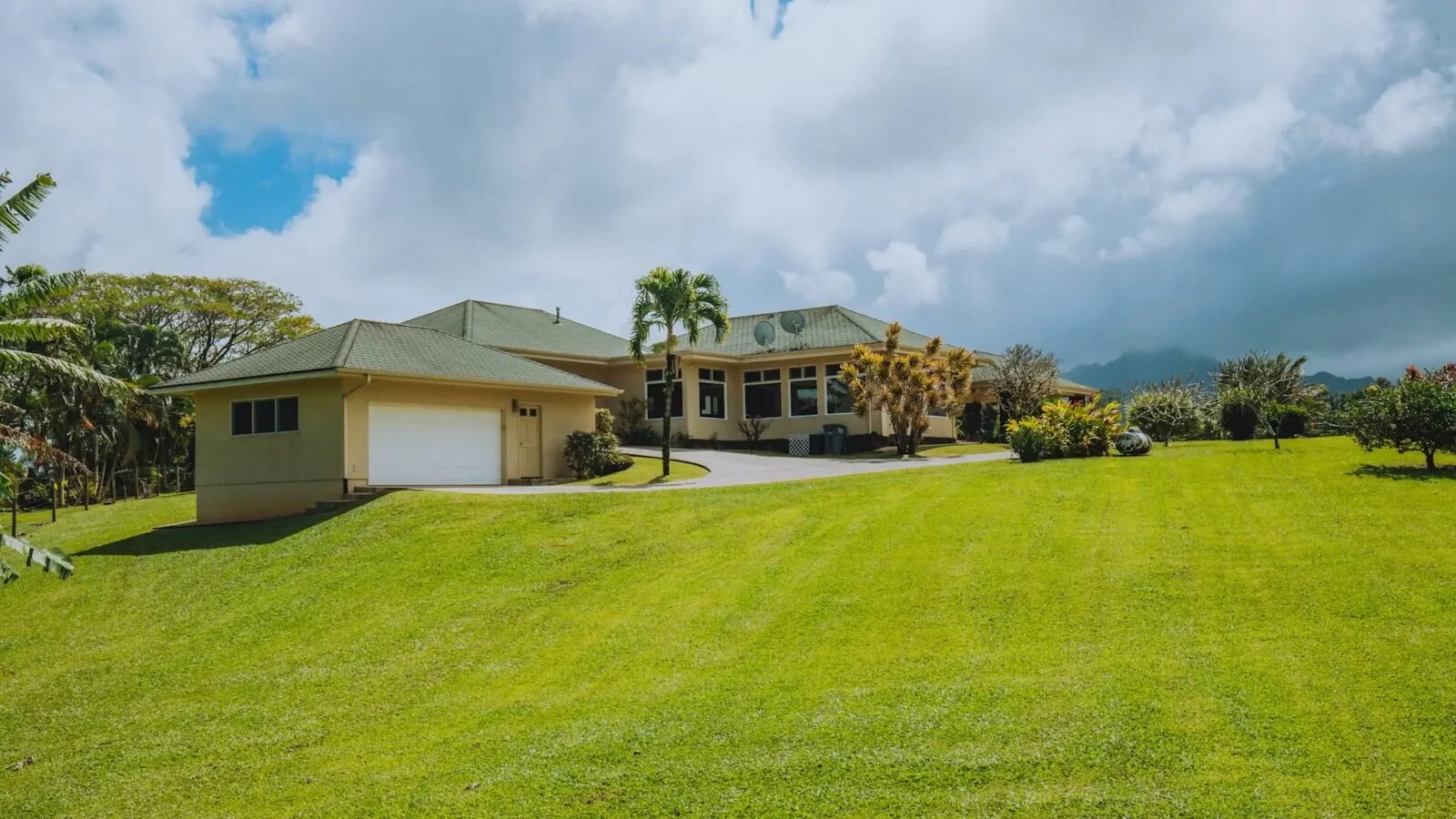
Tropical real estate works beautifully when the project understands its setting. Climate, humidity, salt air, upkeep and logistics shape construction and daily life far more than the renders show. They aren’t obstacles: baked into the design from the start, they produce homes that are more comfortable and last longer.
Images of the tropics tend to show turquoise water, white sand, palm trees and a sun that looks eternal. Behind that postcard sits a reality worth knowing before you decide anything: nature plays a leading role here, and that changes the rules. This isn’t written to scare you or to sell you a fantasy, but to lay out what really happens.
The tropical climate and its direct effect on a home
Humidity: the biggest factor and the most ignored
Humidity doesn’t show up in a render, but it shows up in walls that need the right paint, furniture that needs specific treatment, ventilation that has to be solved properly, and slower drying and build times. A home designed for a temperate climate can perform badly in the tropics if it hasn’t been adapted with care.
Sun, wind and rain: allies or enemies depending on the design
A good tropical project uses the wind, shades the house without sealing it shut, and channels the rain instead of fighting it. A badly designed one gives you overheated interiors, roofs that suffer and areas that flood at the first downpour.
The sea: beautiful, but corrosive
Living near the water means salt, and salt speeds up wear on metals, paint, electrical gear and any material that isn’t ready for it. Near the coast, upkeep isn’t optional: it’s part of how the home normally runs.
Real maintenance, not the brochure version
Preventive, not reactive
What can wait elsewhere can’t wait here. In the tropics, caring for a home means staying ahead: checking roofs before the rainy season, ventilating to stop humidity building up, cleaning the solar systems and protecting the exterior finishes.
Costs few people get right
It isn’t that it’s «expensive», it’s that it’s different: some materials last less, others last longer but need specific trades, gear like air conditioning runs more hours, and the sea forces coatings built for salt. Anyone who comes informed isn’t surprised: they fold these costs in from the start.
Upkeep defines the resident’s experience
A pretty house without proper care ages fast. A house designed and maintained for a tropical climate stays sharp for years.
Logistics: the quiet factor
Building in the tropics doesn’t follow a capital-city calendar
Climate sets the pace: dry stretches ideal for progress, wet stretches that demand planning with a margin, and days when wind or rain shape the work. It isn’t a problem, it’s a reality local teams know well.
Reliance on local suppliers
In many emerging destinations, certain materials are imported or travel from another island. That means different lead times, real planning, and crews on the ground who can anticipate the unexpected.
A good operation beats a spectacular design
It’s easy to fall for the design, but the resident watches the operation: waste handling, water supply, internal transport and customer care. That’s what actually sets the quality of life.
Expectation vs. reality
The mistake of thinking in «holiday» mode
Visiting an island for two weeks isn’t the same as living there or acquiring there. The tropics are wonderful, but they ask you to adapt to their pace and their nature.
Climate as an advantage, not a problem
When a project understands the climate, it puts it to work: cross-ventilation, natural shade, courtyards and gardens that cool the air, materials suited to the setting. The result isn’t a house fighting the climate, but one that flows with it.
The projects that work in the tropics aren’t the ones that ignore nature, but the ones that respect it. If you want to see an eco-villa designed specifically for this climate, with a real operation on the ground, look at San Fernando, in Camarines Sur, with a 99-year leasehold and the rental run by the local team.