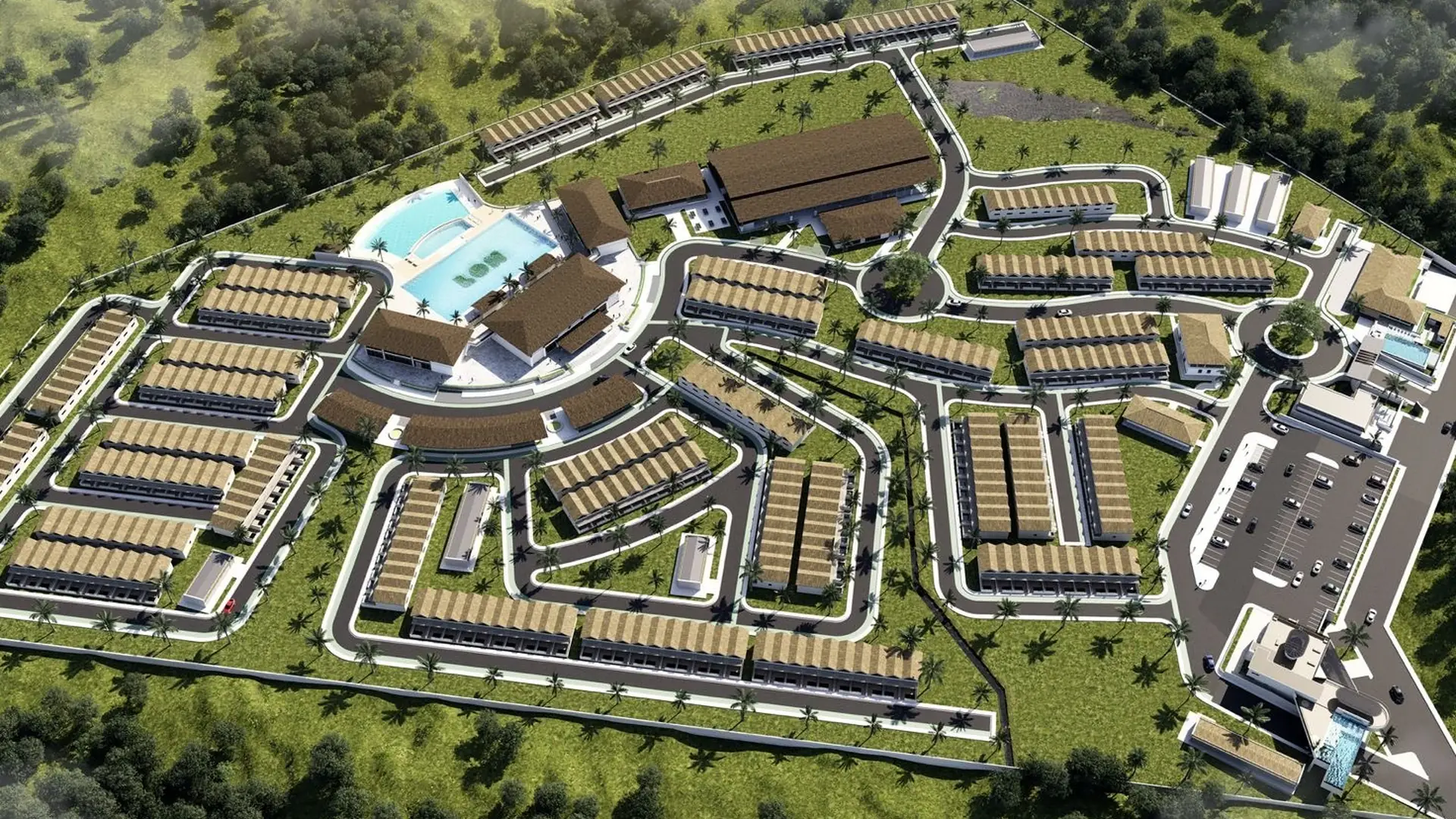
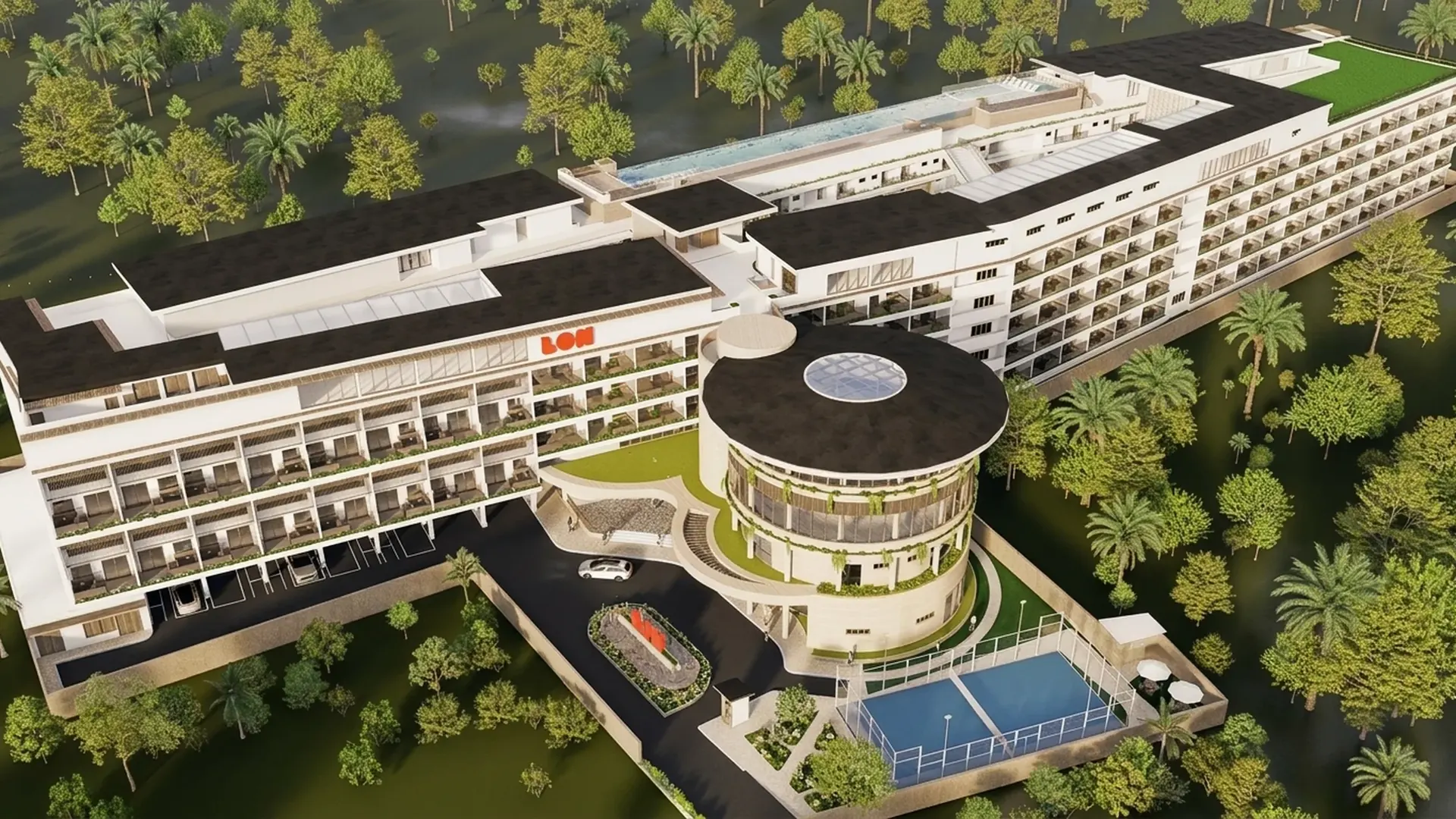
Aerial view of the Land of Nomads Pool Club with artificial beach, waterfall and villas in San Fernando, Camarines Sur, Philippines (render)

Your eco-villa in the Philippines from $1,159.75 a month

Spaces to live in, not just to visit
Eco-villas and eco-apartments in the Philippines

Fractional installments direct with the developer, a 99-year leasehold registered in your name, and a local team that runs your unit while you’re not there.

Community
Título de número
0
leaseholders have already joined
Builder
Título de número
0
founding year of the builder
Term
Título de número
0
years of leasehold registered in your name
Locations
Título de número
0
Camarines Sur and Palawan

Two active projects in the Philippines

Three steps, zero mortgage

1

You pick your unit

A specific villa or apartment, with its floor plan and lot number. The 99-year leasehold is registered in your name with the Philippine registry.

2

You pay in installments, no bank

Down payment, monthly installments and a final payment, all direct with the developer. No mortgage, no appraisal, no risk committee making you wait. That’s how the no-bank installment financing works.

3

The team runs it and you get paid

When you’re not using it, your unit joins the complex’s tourism operation. The rental income is pooled among leaseholders and you get your share with a report of the numbers.

Pools, coworking, and neighbors who work remote

The complexes aren’t rows of empty villas waiting for a guest. There’s a Pool Club with a man-made beach and four pools, three coworking zones with a meeting room, padel courts, and a Green School for those who come with kids. The homes are built with Super Adobe 2.0, with solar panels and a desalination plant. You feel it once you spend a week there: the place actually works.

Eco-villa facade with a bamboo pergola in San Fernando, Camarines Sur
Coworking area of the San Fernando complex, with desks and a meeting room (render)
Pool Club of the San Fernando complex, with a pool and in-water loungers (render)
Covered padel and tennis courts at the San Fernando complex (render)
Patio with private pool and garden of a villa in San Fernando
Aerial view of the construction site among palm groves
Double-height living room of a San Fernando eco-villa, with kitchen and mezzanine

What our leaseholders say

The four questions people ask us first

It is a long-term right to use your unit, registered with the Philippine registry in your name. It runs for 99 years and it is the legal route through which a foreign national secures a home in the Philippines. You sign the contract with the developer, it gets registered, and that document is what proves your right against third parties. We cover it in full in what the 99-year leasehold means.

Yes. Philippine law reserves land title for Philippine citizens, but it allows foreign nationals to sign long-term, registered leases. That is why Land of Nomads structures every unit as a 99-year leasehold: you secure the usage right to a specific unit, with a contract and registration under your name.

The complex runs on pooled rental income: the earnings from the tourism operation are shared among leaseholders, so you are not dependent on your specific unit being booked. Land of Nomads runs the complex, deducts its management fee (25% in San Fernando, 30% in El Nido), and pays out your share with a detailed report.

Land of Nomads’ local team in the Philippines: cleaning, maintenance, guests and the numbers. You decide how involved you want to be, including not at all. The projections on this site assume an estimated 50% annual occupancy and always list their assumptions next to the figure.

Street of the San Fernando complex with the row of eco-villas and palm trees

45 minutes to secure your corner of paradise

On the call we go over your situation, unit pricing and the contract. If it’s not a fit for you, we’ll tell you that too.

No commitment. In English or in Spanish.