
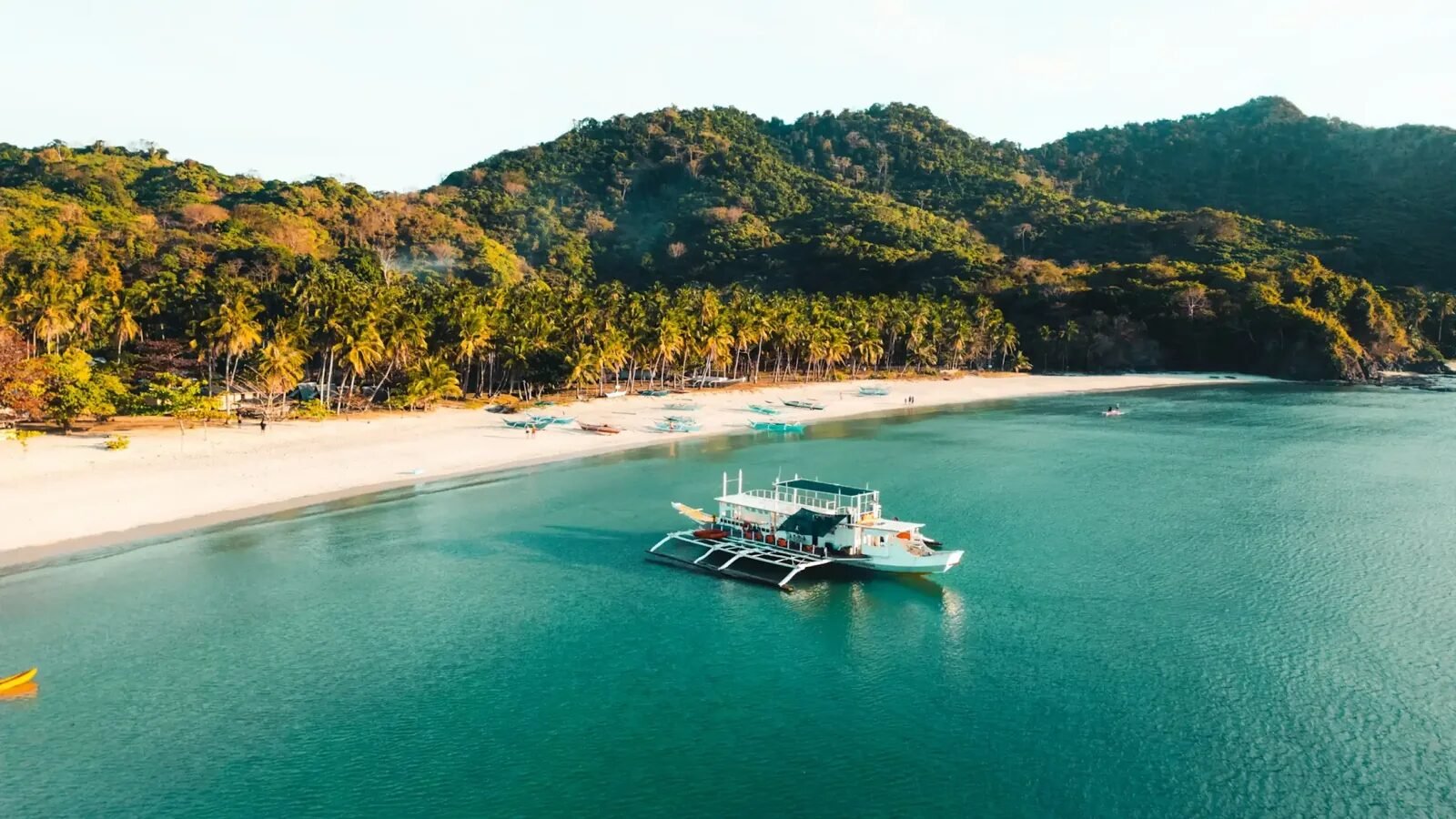
Living in the Philippines costs whatever you decide to spend. It isn’t a cheap country or an expensive one: it’s flexible. Rent, food, transport and internet swing a lot depending on the island, the area and the pace you choose, so your real monthly number is set by your lifestyle, not by the country.
Anyone weighing the Philippines asks the same blunt question: what does it actually cost to live there? The short answer is «it depends». The useful answer is understanding what it depends on, because there’s no single magic figure that fits everyone. There are real scenarios, and with them you can place yourself with some judgment.
The biggest mistake when pricing life in the Philippines
Comparing the Philippines to Europe or the rest of Asia with one flat monthly figure almost always leads you astray. Three reasons:
- The gap between islands and cities is huge.
- Your lifestyle weighs more than the country does.
- Living as a tourist doesn’t cost what living as a resident costs.
That ties into a point we make in living seasonally: before you look at the price, work out whether the place actually fits you.
The everyday spending that matters
Housing: the line that moves the number most
Rent swings wildly with location (island, city or rural), the type of home, how close you are to the sea or the center, and whether you want something short-term or a long stay. You’ll find everything from bare-bones options to well-equipped homes in serviced communities.
The trick is not to confuse «cheap» with «right». A home poorly adapted to the tropical climate gets expensive over the medium term, as we explain in the hidden side of tropical real estate.
Food: total flexibility
Eating here can be very cheap or not so much, depending on your habits. Local food is affordable and varied, imported goods push the basket up, and eating out is woven into social life. Adopt part of the local diet and you cut spending without giving up quality of life.
Transport: simple and functional
Daily transport is usually one of the lowest lines: short local rides, motorbikes and tricycles, monthly vehicle rental in some areas. The bill climbs if you lean on a private car or hop between islands often, but day to day it’s manageable.
Internet and utilities
Time to be honest. Internet works well in many areas, though not all of them offer the same stability, and quality depends heavily on where you settle. For anyone working online this is decisive. Power and water move with consumption and climate, especially where air conditioning is close to mandatory.
Three lifestyles, three spending tiers
Simple and local
A functional home, mostly local food, basic transport. Ideal if you value simplicity and cultural fit.
Balanced
A good home, a mix of local and international cooking, stable internet, some daily comfort. This is the most common profile among people living seasonally.
Comfortable or international
A well-equipped home, imported goods, more private services. It isn’t cheap, but it still undercuts many Western capitals.
What almost nobody puts in the math
Beyond the visible spending, there are quieter costs worth planning for:
- The adjustment of the first few weeks.
- Testing several areas before you commit.
- Switching homes until you find the fit.
- The lifestyle tweaks you make as you go.
That’s why it matters so much to work out whether the country fits you, not just whether it «comes out cheap». Life in the Philippines can be very accessible or fairly costly: the difference isn’t the country, it’s how you choose to live in it. People who understand the context, set expectations and decide with real information tend to land a very interesting balance of cost, quality of life and experience.
If you’re weighing the Philippines for long stays, see how it lands on a real project: our eco-villas in San Fernando, in Camarines Sur, with the rental run by the local team. Half an hour on the phone clears up more than twenty pages of a brochure.