
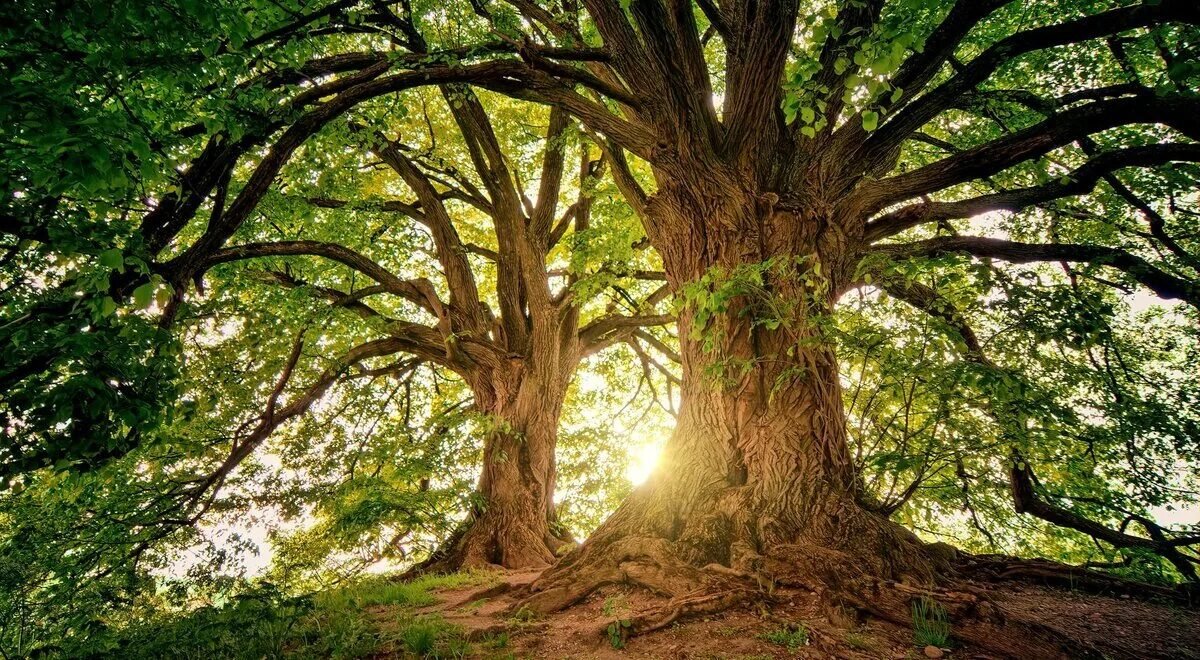
The tropical flora of Camarines Sur and El Nido is not set dressing. It is functional: mature mangroves take 50-70% of the energy out of the surf, conserved palms ride out typhoons better, and native gardens cut air-conditioning use. Less risk to the asset, better reviews, higher occupancy.
Architectural renders rarely capture the smell of wet earth after rain on nipa litter, or the scent of champaca trees in bloom late in the afternoon. They show up in no financial projection, yet they are what makes a guest decide to return, recommend the resort and leave five stars.
The tropical flora of Camarines Sur and Palawan, the two regions where Land of Nomads builds its projects, is not ornament. It is functional, ecosystemic and a structural part of the tourism product that generates the returns behind the acquisition.
Coconut palms, mangroves and the landscape that is already there
The Philippines has more than 300 million coconut palms. In Camarines Sur, plantations cover much of the coast between San Fernando and the beaches of the Lagonoy Gulf. These are mature palms, 15 to 25 meters tall, forming a green canopy over the beaches and dropping the temperature under the crown by 5 to 8 degrees against the open air, which at 35 degrees matters a great deal for guest comfort.
On the Land of Nomads projects, the existing palms are kept. The design team works with the real positions of the trees to orient the units and common areas, rather than felling and replanting afterward. That choice has direct consequences: transplanted trees take years to recover their form, while rooted ones stand up better to typhoons.
Mangroves complete the coast. The Philippines lost 75% of its original mangroves between 1950 and 2000, but reforestation programs (backed by USAID and the Asian Development Bank) have restored tens of thousands of hectares across Palawan and Camarines Sur. The eco-villas in San Fernando and the eco-apartments in El Nido sit in areas where mangrove is present or recovering, and a shoreline with mature mangrove can cut wave energy by 50-70%: less damage risk, lower rebuild cost. In El Nido, the estuaries hold broad stands of red mangrove (Rhizophora apiculata) and white mangrove (Avicennia marina), reachable by kayak from the eco-apartments.
Endemic flora and gardens designed with intent
Palawan is a biogeographic anomaly. The island split from the Asian mainland some 20 million years ago, and more than 40% of its plants are endemic. Species like Nepenthes palawanensis (a carnivorous pitcher plant, CITES-protected), Dipterocarpus grandiflorus (up to 50 meters tall) and tree ferns (Cyathea contaminans) are present around the El Nido eco-apartments.
The garden design follows what the team calls ecological integration: the greenery is not ornament laid on top, but a selection of native and adapted species that work within the local ecosystem. Native plants ask for less water, less fertilizer and less upkeep than imported exotics. For pest control, the gardens use aromatics that repel insects (citronella, holy basil, Filipino rue) and plants that draw natural predators (marigolds, dill). Irrigation runs on buried drip lines that cut evaporation by up to 60%, fed by roof-captured water. And there are tropical kitchen-garden zones (green chili, calamansi, ginger, turmeric, pandan, papaya) that the resort kitchen uses directly.
Greenery as armor for the asset
The Philippines takes an average of 20 tropical cyclones a year. Dense vegetation acts as a physical barrier: mature mangrove drains energy from the surf, and deep-rooted trees break up the wind. Coastal areas with intact vegetation took less damage in Typhoon Haiyan (2013) than deforested shores.
Well-placed shade trees (like the narra, the national tree) drop a room’s indoor temperature by 4 to 6 degrees, which lowers air-conditioning use. Bamboo (55 native species in the Philippines) creates visual screens between units and, harvested on 3-to-5-year cycles without replanting, supplies material for interior detailing. For the guest arriving from Madrid or Berlin, the step from 38 degrees outside to the cool of the garden is one of the first moments of the stay. And first moments define the rating on review platforms and the next year’s occupancy.
The Land of Nomads team runs site visits so you can see the natural setting first-hand. San Fernando, in Camarines Sur, starts at $1,159.75 a month with a $39,900 down payment, and here is the detail on no-bank installment financing.