
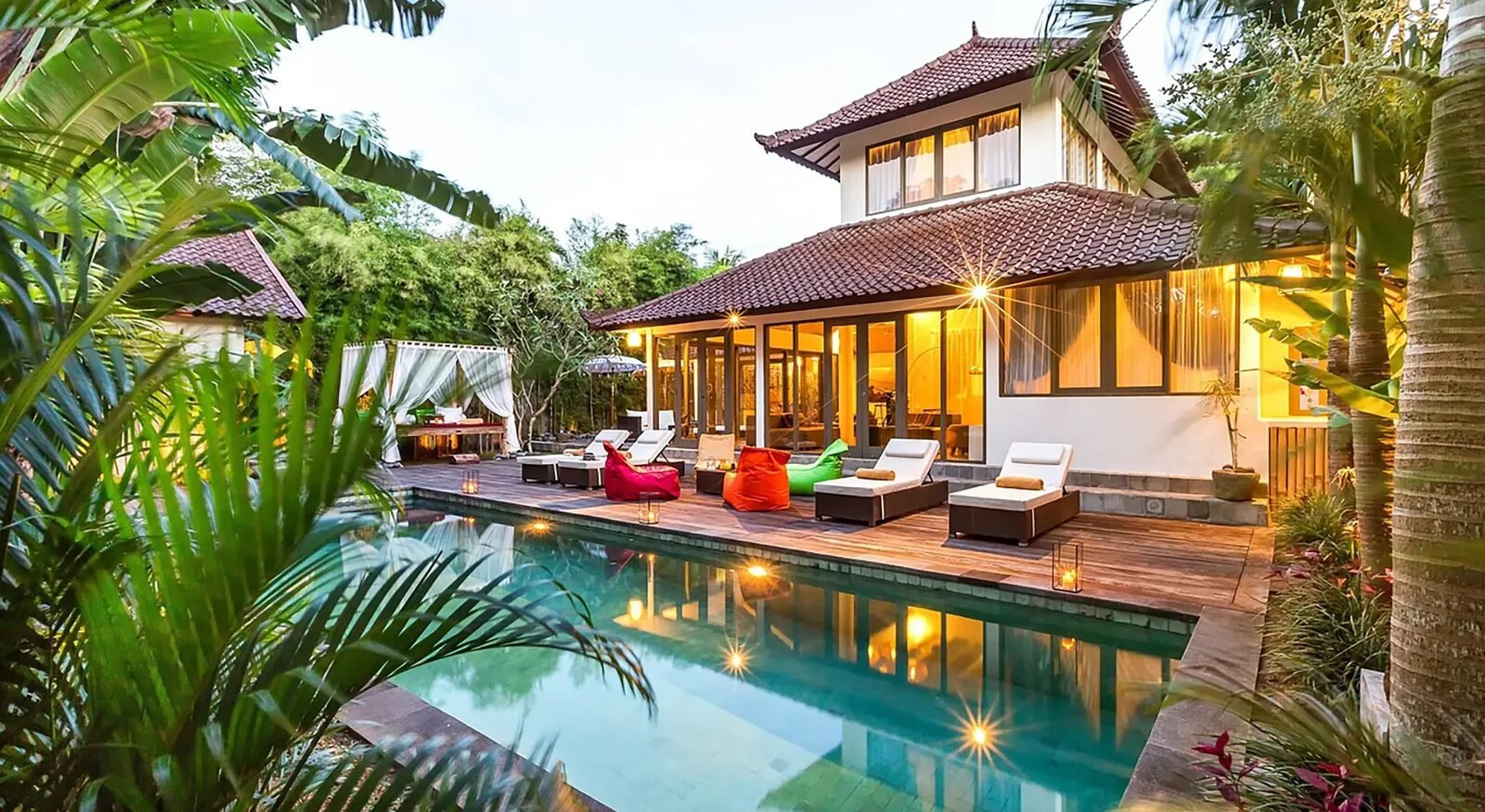
An eco-villa’s value doesn’t come from location or size alone. It comes from stacking low running costs, a spot in a sustainable growth hub, the guest experience, high occupancy and certified transparency. Chosen well, an eco-villa pairs returns with purpose and holds value better than a conventional home.
Eco-villas stopped being a passing trend in sustainable real estate. Today they’re an asset that ties together returns, energy efficiency and a lifestyle built around well-being. Past the global buzz sits the real question: how do you actually measure an eco-villa’s value?
Unlike a traditional home, its appeal doesn’t rest on square footage alone. Value comes from a stack of factors answering new market demands, from operating savings to a smaller environmental footprint.
What gives an eco-villa real value?
1. Low running costs as an edge
Energy spend is one of the most decisive factors over the long run. Solar panels, passive ventilation, water capture and low-impact materials don’t just trim bills: they lift the asset’s annual return. In tropical and coastal markets, where cooling is a serious cost, that edge is a big gap over conventional homes.
2. A spot in a sustainable growth hub
An eco-villa’s value doesn’t appear in a vacuum: it grows when it sits in areas where sustainability is part of the urban DNA. Communities with access to nature, green trails, coworking and nearby services tend to appreciate faster.
The guest experience as a demand engine
The new generation that acquires and travels wants experiences, not just square meters. It wants privacy, contact with nature and discreet technology that eases daily life. A well-designed eco-villa draws a crowd willing to pay more to live better, and that feeds straight into the asset’s value.
Returns: why eco-villas are gaining ground
1. Higher occupancy in the holiday market
In emerging destinations across Southeast Asia, well-run sustainable projects post above-average occupancy. Today’s traveler favors low-impact stays and calm settings.
2. A resilient asset in shifting markets
While some real estate segments turn unpredictable, eco-villas lean on stable global forces:
- the search for a healthier life,
- rising interest in sustainable practices,
- remote work as a way of living,
- responsible and ESG criteria.
These pillars show no sign of pulling back, which turns this kind of asset into an appealing refuge.
How to spot an eco-villa with upside
Climate-led architecture
It’s not only looks. A build that answers the local climate reduces wear, sharpens comfort and trims constant maintenance.
Community and professional management
The quality of the team running the project shapes the resident’s or guest’s experience directly. An eco-villa with good upkeep, clear communication and efficient services retains value and lifts income.
Certifications and transparency
LEED, EDGE or energy-efficiency verifications add credibility. Not everything marketed as sustainable is, so traceability is a guarantee.
An asset that pairs purpose with returns
An eco-villa’s value grows from the union of sustainability, intelligent design and a global market after new ways of living. It’s not a passing niche: responsible capital is reshaping international real estate.
If you want an asset that pairs growth, stability and purpose, that’s exactly how our eco-villas across the Philippines are conceived, with a 99-year leasehold and rental income managed by the team itself.