
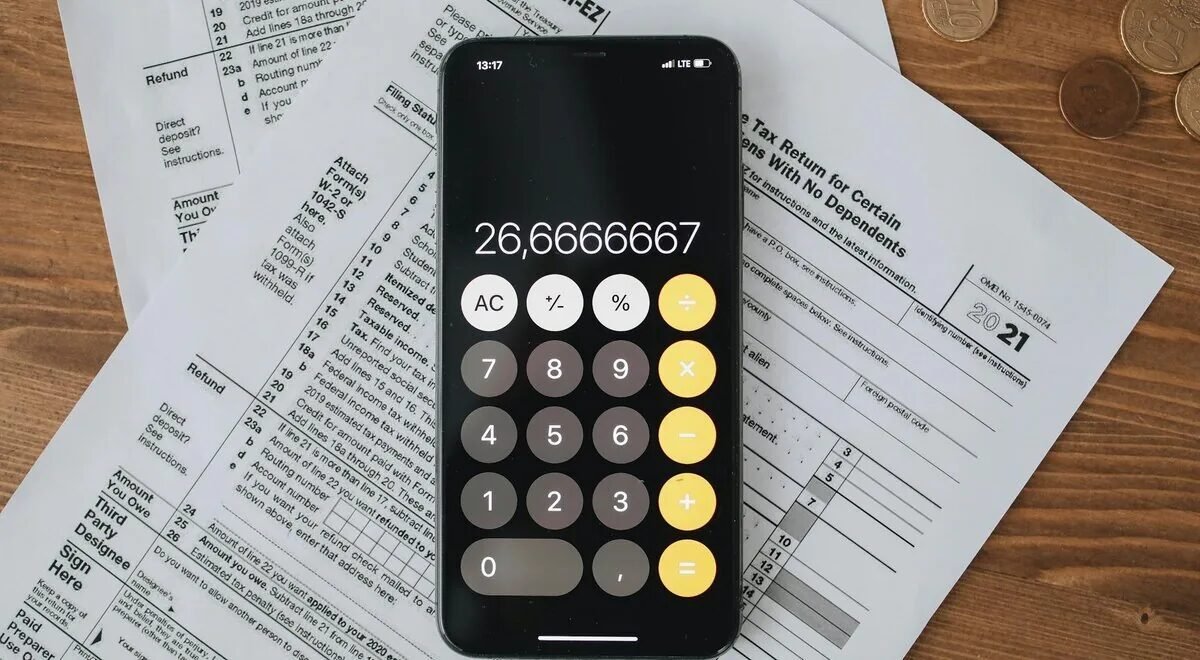
In short: you pay in the Philippines first, then reconcile that income with your home tax authority, offsetting what you already paid abroad, and you declare the foreign asset where your country requires it. Under a double-taxation treaty you never pay twice on the same income, only the higher of the two rates.
You already know the Philippines offers strong returns. You have seen the occupancy numbers for El Nido and San Fernando. Before you sign anything, it is worth understanding the tax side. This guide sets the frame for a foreign national acquiring a home in the Philippines. It does not replace your adviser, but it gets you to that conversation with the right questions.
Double-taxation treaties and how your income is taxed
Most major countries, across the US, UK, Ireland, Canada, Australia and the EU, hold a double-taxation treaty with the Philippines. The mechanics are consistent: the Philippines taxes income earned on its soil, your home country taxes your worldwide income, and the treaty lets you credit the Philippine tax against what you owe at home. You pay first in the Philippines, then declare that income where you are resident, offsetting what was already paid. You end up paying the higher of the two rates, never the sum.
On the Philippine side, rental income is taxed at 25% on gross for non-residents running a commercial activity in the country. Route the operation through a local corporate structure and the general rate is also 25%, on net profit after the 2021 CREATE Act reform, with room to deduct operating costs, upkeep and depreciation.
At home, you declare those earnings under your own regime and apply the foreign-tax credit up to the limit of what that income would have owed locally. If the Philippine rate is higher, the difference is not recoverable, but you owe nothing extra at home either.
There is also an annual local land tax (RPT), roughly 1% of assessed value in provinces like Palawan. Because assessed value tends to sit at 20% to 50% of real market value, on a 150,000-euro home the yearly bill lands between 300 and 750 euros, well under the equivalent charge in most European tourist areas.
Foreign-asset reporting and the taxes on a sale
Many countries require residents to report assets held abroad above a threshold. Spain has its Modelo 720, other jurisdictions have their own equivalents, and with the eco-villas from $129,900 and the eco-apartments from $174,900, you will usually be over the line. Check the form and the deadline in your jurisdiction, and file it: the reporting obligation stands even where past penalties were struck down.
If you ever sell, the Philippines applies a Capital Gains Tax of 6% on the sale price or market value, whichever is higher, plus a Documentary Stamp Tax of 1.5%. At home you declare the gain under your local capital-gains regime, crediting the tax already paid in the Philippines.
One detail worth flagging: the Land of Nomads model runs on a 99-year leasehold (a foreign national cannot register land title in their own name in the Philippines). For tax purposes a leasehold is treated as a real right over real estate: it is reported, taxed like full title and amortized across its term (about 1.01% a year of the acquisition value, deductible against rental income).
Planning, not fear
Cross-border tax looks complex read all at once. In practice it is a predictable loop: pay in the Philippines, declare at home, credit what you paid abroad, file your foreign-asset report once a year. The Philippine costs (a low land tax, 6% on gains, 25% on income) are competitive against many European markets, and the treaties work.
What you do need is a cross-border tax adviser in your own jurisdiction who knows the treaty with the Philippines. From day one, keep every document: the leasehold contract, withholding certificates, deductible costs. Untangling a badly set-up deal always costs more than planning it right from the start.
If you are weighing an acquisition in the Philippines with Land of Nomads, we can walk through the real numbers on your case. San Fernando starts at $1,159.75 a month with a $39,900 down payment, and here is the detail on no-bank installment financing. You have the general tax picture here; the specifics of your situation we work out together.