
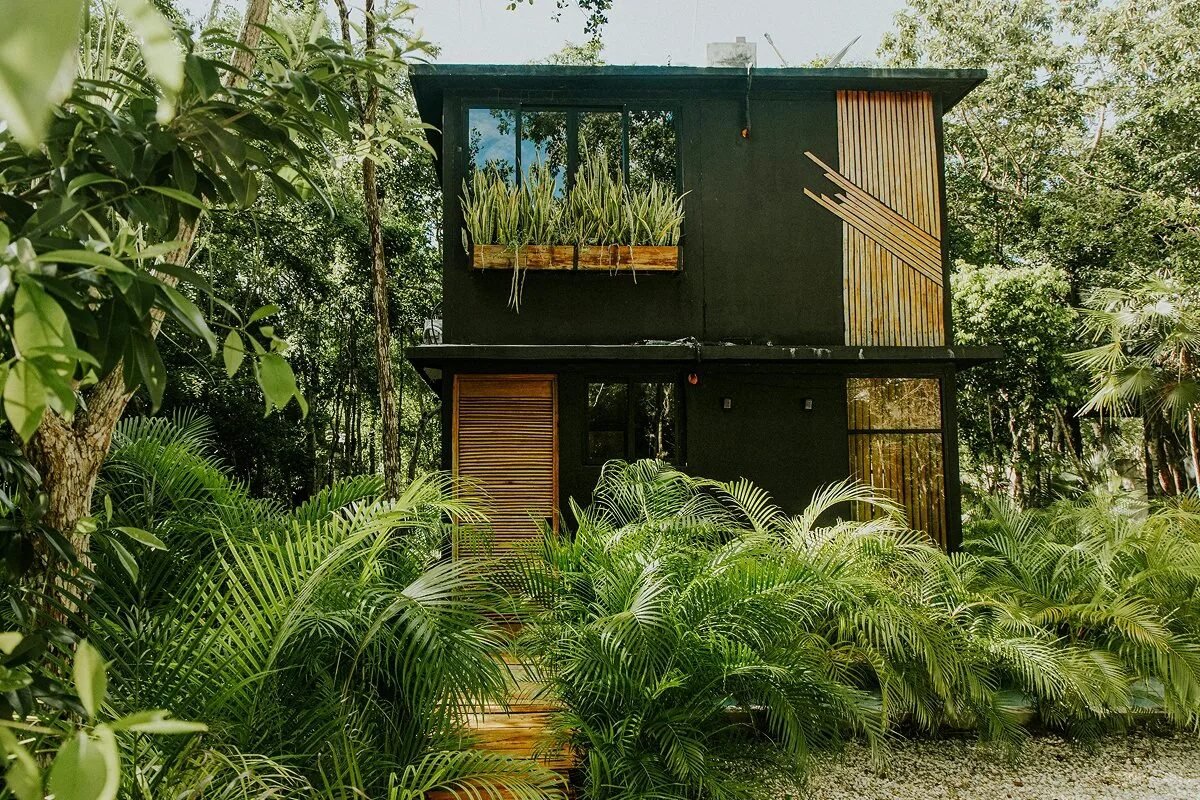
An international second home shouldn’t be chosen for the photo anymore. Today it works as a base for living: a place to spend long stretches, work calmly, and protect capital in an asset with meaning. That shifts what you look at: destination, product and community, in more depth.
For a long time, the second home was a simple promise: a nice house in a desirable place. A symbol of rest, of wealth, and often of status. That idea now falls short.
The international second home is starting to take a different place in the mind of whoever’s after one. It’s no longer seen only as something to acquire for the odd getaway. It’s seen as an extension of your own life. A place to spend long stretches, work calmly, ease off, reconnect with a different rhythm, and at the same time protect capital in an asset with meaning.
That shift isn’t minor. It forces you to acquire differently. It forces you to look at destination, product and community in more depth.
Why an international second home isn’t acquired the way it used to be
It isn’t acquired the way it used to be because many people’s lives don’t run the way they used to either. Remote work, geographic flexibility, the pull toward open settings and the search for wellbeing have changed the rules.
Today a home you can actually live in well is worth more than one that only impresses in photos. Light matters, yes, but so does routine. Location matters, yes, but so does how easily you can stock up, rest, focus and feel part of something.
At Land of Nomads that lens makes sense because the asset isn’t thought of as an isolated object. It’s thought of as part of an ecosystem able to sustain real life.
From the pretty house to the base for living
There’s an important difference between acquiring a pretty home and building a base for living. The first answers desire. The second answers continuity.
A base for living works when you picture yourself not just arriving, but staying. When you can project weeks or months there without everything hanging on the holiday effect. When the logistics keep up, the community exists, and the space doesn’t just get admired but holds you up.
So before you sign, it’s worth asking less decorative, more honest questions:
- Could I live here a month without feeling like I’m passing through?
- Could I work well from here?
- Would I have a pleasant routine, not just an aesthetic experience?
- Does the destination invite you to stay or only to consume?
- Does the home improve with use or stay a picture?
The second home as a lifestyle decision
There’s a shallow way to read lifestyle and a much sturdier one. The shallow one sells instant freedom. The sturdy one talks about coherence.
An international second home works better when the lifestyle it proposes isn’t artificial. When the setting has truth, when the project doesn’t compete with the destination but talks with it, and when using the asset fits how a person wants to live.
That can turn into something very concrete: long stretches, a healthier relationship with time, less urban friction, more nature, more privacy, and a sense of presence that many cities have made hard to find.
What makes a home livable over the long run
Real livability isn’t decided only by square meters or finishes. It’s decided by how the home keeps up with daily life.
A home meant for long stretches needs at least five layers:
- a comfortable space to work or focus,
- a kitchen and a living area that invite you to stay,
- good ventilation, light and rest,
- reasonable access to services and mobility,
- a friendly relationship with the outdoors and the community.
When those layers show up, the asset gains depth. It becomes more useful to you and more appealing to a guest or seasonal resident who isn’t only passing through, but staying.
Community, the word that changes the decision
In practice, the difference between a home that gets used and one that gets remembered usually sits in the community. A place can be gorgeous and still feel empty. Another can be more low-key and spark an immediate sense of belonging.
That feeling has economic impact. It improves the experience, multiplies word of mouth, and keeps the stay from resting on the physical space alone. So community shouldn’t be seen as an emotional extra. It’s part of the asset’s quality.
The second home and wellbeing
More and more people understand that wealth isn’t measured only in return. It’s also measured in quality of life. In the ability to reach a setting that orders you, looks after you and gives you time back.
A well-chosen international second home can do exactly that. Not as a getaway fantasy, but as structure. As a second rhythm made possible. As a place to live differently without giving up a wealth-minded view.
What to review before you decide
Before you say yes to a home with this approach, it’s worth reviewing:
- whether the destination supports long stays,
- whether connectivity keeps up with real life,
- whether the home is meant for extended use,
- whether there’s community or just pretty isolation,
- whether the project has a story, but also substance.
It isn’t a decision to impress others. It’s a decision to fit you.
An international second home shouldn’t be chosen with the eyes alone anymore. It should be chosen with a more mature mix of instinct, method and personal vision. The best decisions aren’t always the loudest. Sometimes they’re the ones that pull off something harder: making you want to come back, stay, and truly live them. This is how Land of Nomads thinks its eco-villas and eco-apartments in the Philippines.