
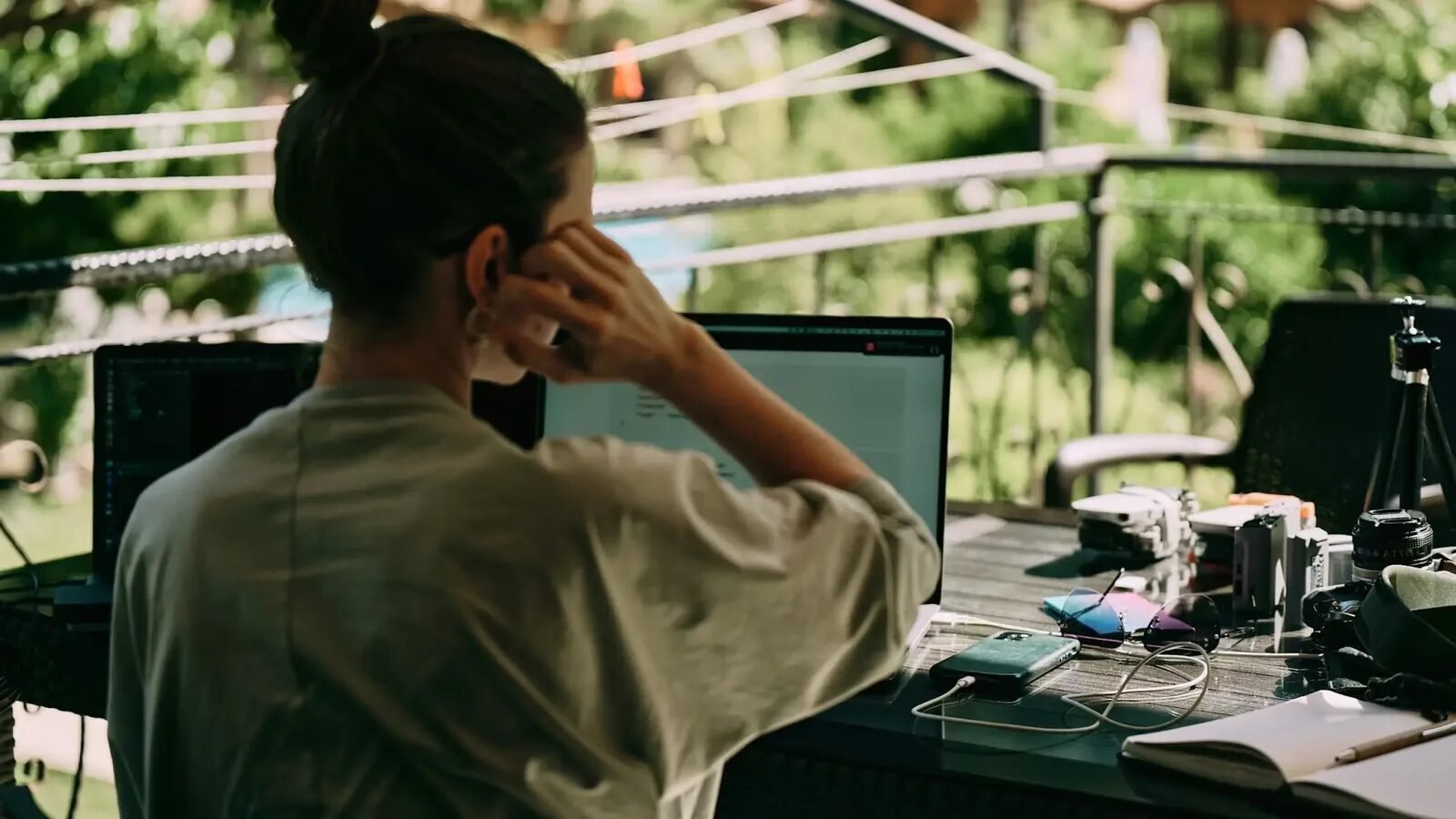
Homes built for 2030 are not futuristic: they are spaces designed to hold up the daily life of someone who lives and works there at once. Focus zones kept apart from social ones, connectivity that actually works, honest materials, and real efficiency. A home that carries full working days, not just rest.
Remote work stopped being the exception. More and more people organize their lives around a laptop and a good connection, and that forces a rethink of what a home should be. Houses that only served for sleeping and hanging around no longer fit days made of calls, focus and rest in one place.
What remote work does to architecture
A single space has to carry video calls, deep work, family life and rest. That calls for spots where you can turn the camera on without showing half the house, quiet corners to concentrate, and common areas that do not collapse when someone is working.
Plenty of projects still offer work-from-home corners in hallways, poor acoustics, lighting meant only for leisure, and dining tables turned into makeshift desks. With steady remote work, all of that becomes daily friction.
The features of the home of the future
- Modular, flexible spaces: rooms that change use without drama, with sliding doors, furniture that folds away, and a room that works in the morning and hosts in the afternoon.
- Ergonomics and health: heights, chairs and layouts designed so the body holds up long hours without constant aches.
- Redundant connectivity: having wifi is not enough. You want a stable signal, well-placed network points, and, where possible, a backup (fiber plus 4G or 5G).
- Focus zones and social zones: separating the focus area from the social one cuts conflicts and lifts both productivity and living together.
How materials and climate management change
- Local, honest materials: they answer the climate, cut transport and fit the culture of the place. The house ages better.
- Natural ventilation: more hours indoors ask for more air moving, with cross ventilation, the right orientations and well-thought openings.
- Real energy efficiency: orientation, shading, insulation and trimmed consumption. Lower cost, more comfort, and less reliance on artificial systems.
The 2030 home as an income asset
More and more people can work from anywhere, but not from any house. That drives demand for homes ready for remote work, attractive to global nomads and long stays. And it delivers a steadier return, because it blends monthly lets, long stays and the acquirer’s own use, with less reliance on the classic high season.
Homes designed for 2030 are not a design whim: they are the answer to how we already live. Putting capital into this kind of asset is a bet on a way of life that is not going away. Our eco-villas in San Fernando, in Camarines Sur, are built with Super Adobe 2.0 with exactly this in mind, and the team puts them to work when you are not using them. Here is the detail on no-bank installment financing.