
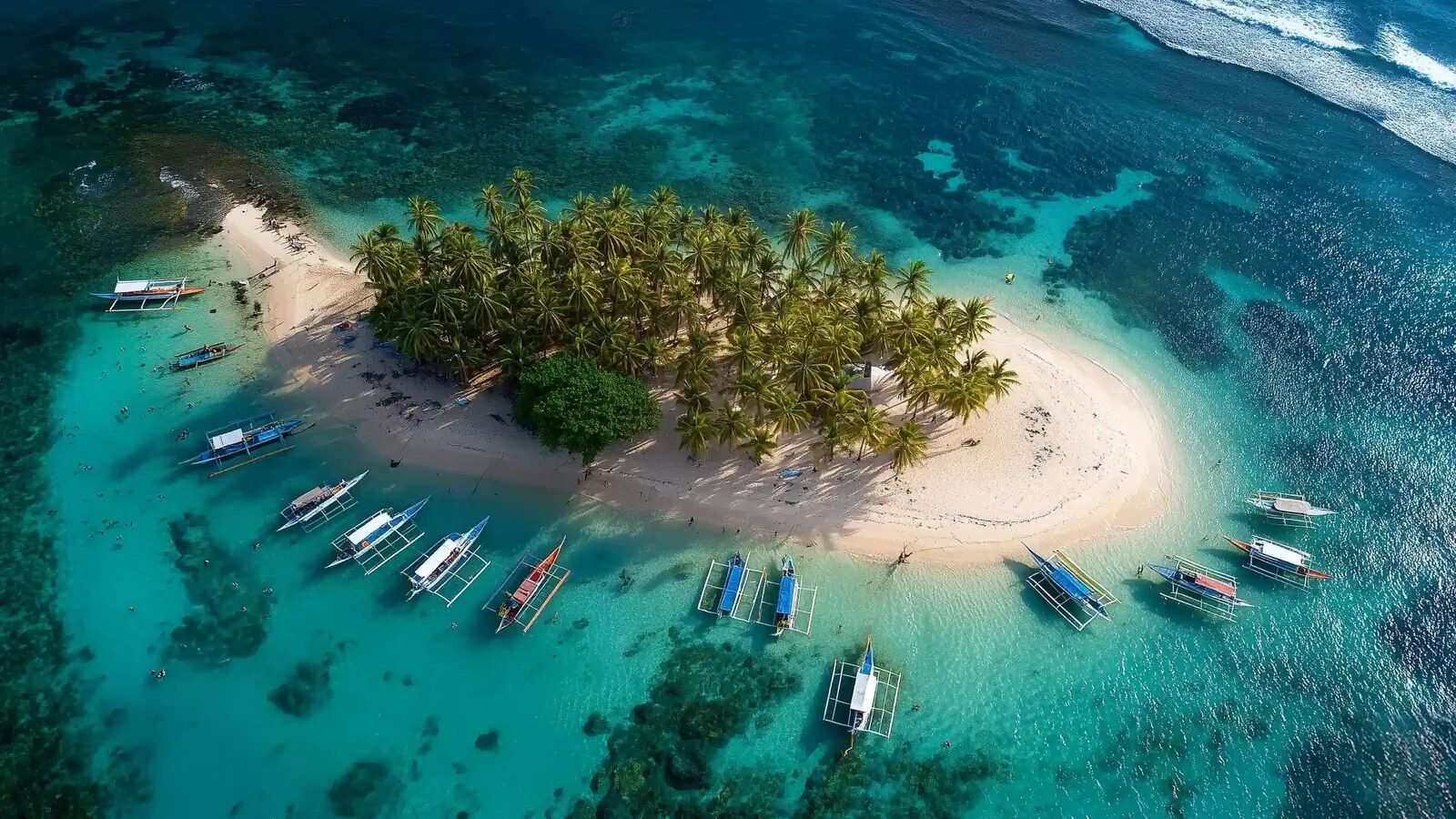
The blue economy treats the sea as an axis of sustainable development, not just a beach. When a coastal region protects its marine resources and plans its growth, real estate openings appear that look nothing like mass tourism: smaller projects, better integrated, and less exposed to wear.
The so-called blue economy is changing how we look at the coast. It is no longer only a tourist space but the engine of a longer-term kind of development. And that reorders where it makes sense to put capital.
What the blue economy is and why it matters to real estate
- Ocean tourism with a different mindset: it favors responsible experiences and smaller projects, built into their setting.
- Marine regeneration as a value driver: restoring mangroves, reefs or protected zones cares for the ecosystem and, in doing so, protects the destination’s appeal for the long run.
- Sustainable development over the burn-and-leave model: less indiscriminate building, more compact, well-designed projects with clear management plans.
How coastal economies create new real estate hotspots
- Infrastructure that keeps pace with growth: better ports, roads, air links and basic services build a base for new residents, not just tourists.
- An international community taking shape: small businesses, workspaces and cultural life appear. The coast stops being only sun and sand and becomes livable.
- Longer stays: remote professionals and nomads pick coastal destinations where they can settle for months, not days.
Indicators for spotting real opportunities
- Sustainable, not explosive, growth: a steady climb beats an uncontrolled boom.
- Appeal for remote work: solid connectivity, calm, basic services, and a growing community.
- Clear environmental protection: protected areas, limits on front-line building, and policies for water and waste.
Coastal regions on the rise: the pattern to watch
Rather than fixating on one country, watch the pattern: a cost of living that is still reasonable, governments that back the blue economy with action and not just speeches, and higher-quality tourism instead of uncontrolled volume.
Emerging coastal economies that embrace the blue economy are building steadier destinations with a better long-term reputation. For the acquirer, that means assets less exposed to the wear of mass tourism and more aligned with a sustainable future. Both of our projects sit in that lane: San Fernando, on the Camarines Sur coast, and El Nido, in Palawan, beside one of the most recognized marine reserves in the country.