
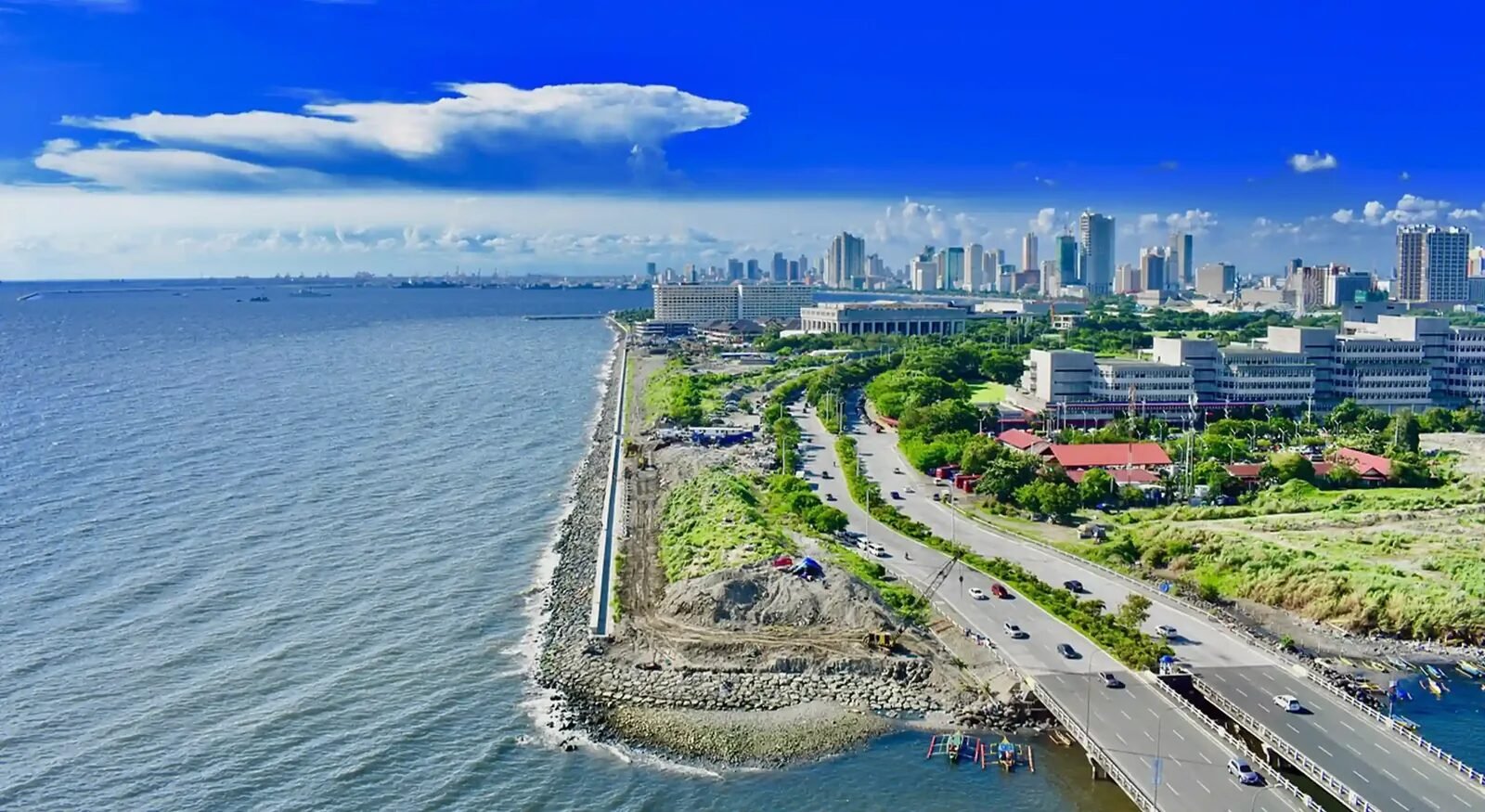
Acquiring an eco-villa in the Philippines is the new frontier of sustainable real estate: land that’s still accessible, tourism on the rise and a 99-year leasehold framework that opens the door to foreign nationals. The key to doing it right is to vet the developer, weigh the real return and connect with the community before you sign.
The rise of eco-villas: luxury, conscience and returns
The traditional real estate model is in crisis: thin yields, saturated markets and too much red tape. In response comes a model that unites sustainability, design and real returns: eco-villas. The Philippines, with more than 7,000 islands, is the new paradise for this trend. They’re not just pretty houses among palm trees: they’re near self-sufficient micro-ecosystems, built to cut environmental impact and lift quality of life.
Why the Philippines leads the green real estate revolution
- Accessible land: the cost per square meter is still competitive next to other Southeast Asian destinations.
- Growing tourism: with digital nomads and wellness travelers arriving, demand for sustainable stays is surging.
- A favorable framework: the Philippines is advancing laws that open the door to foreign capital and clean energy.
All of this makes the Philippines the ideal starting point for anyone who wants to acquire with vision and purpose.
How to acquire without mistakes: 2026 keys
1. Study the land and the developer
Not all projects are equal. Look for firms with a sustainable vision and a solid reputation, like Land of Nomads Group, which folds ecological design into local commitment.
2. Weigh the real return, not the promised one
Don’t settle for the brochure yield. Look at projected occupancy, local demand, upkeep and visitor profile. A good eco-villa pairs performance with story: the place has to have soul.
3. Connect with the community
A sustainable decision doesn’t end at signing. Become part of the community: go to events, work with local businesses, take part in running the site. That lifts your impact and the project’s value.
The most promising destinations for 2026
- San Fernando, in Camarines Sur: ideal for sustainable community and boutique villas, with wakeboarding, the Caramoan islands and Bicolano cuisine a step away.
- El Nido, in Palawan: a top-tier tourist destination with strong eco-hospitality upside.
Each offers different openings depending on what you’re after: performance, lifestyle or growing your wealth.
Acquiring with soul, the real luxury
Eco-villas aren’t a fad, they’re the future of responsible real estate. Backing them is a search for balance between returns, sustainability and purpose. The Philippines offers the perfect stage: untouched nature, an open economy and developers with vision. Because the luxury of the future isn’t excess, it’s coherence between how you live and where you put your capital. That’s how we work at Land of Nomads, with a 99-year leasehold and rental income managed by the team.