
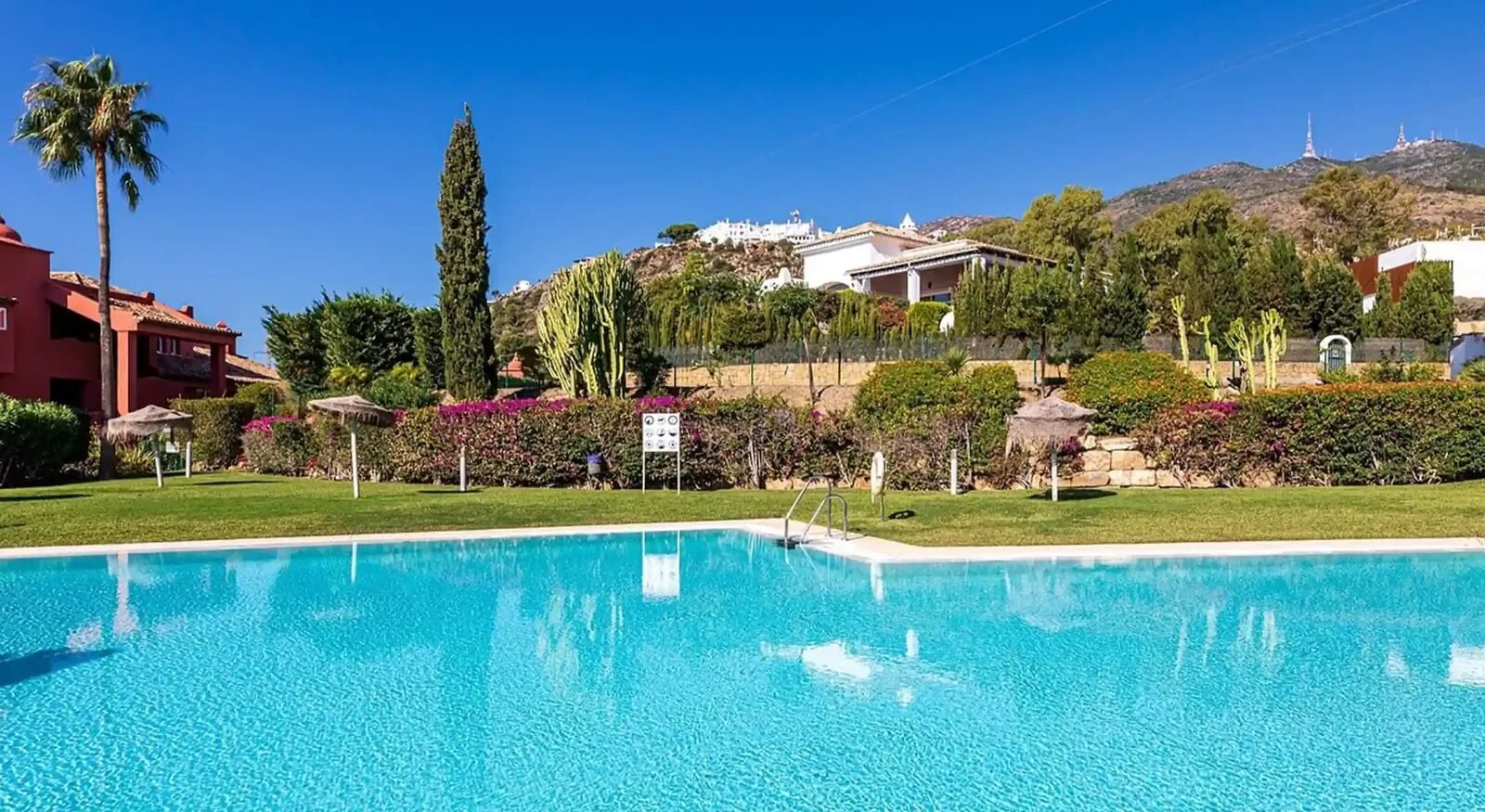
Wellness real estate is a way of conceiving a home where health and quality of life are designed in from the blueprint: clean air, measured natural light, quiet, cross ventilation and a link to the outdoors. It isn’t bolting on a spa and calling it “wellness”; it’s a deeper shift that also holds the asset’s value and occupancy better.
Well-being went from a luxury to a need. Whoever acquires in 2026 isn’t after just a building: they’re after a space that improves the day-to-day, lowers stress and makes a balanced routine easier. Where well-being meets architecture, wellness real estate is growing fast, one of the quickest-moving segments in the international market.
What “wellness real estate” really means (and what it doesn’t)
The term gets confused with surface-level amenities. It’s really about creating spaces that let you live better every day.
Not just looks: health and function
A well-planned wellness project builds in air quality, natural light, quiet, ergonomics and contact with nature.
Why well-being became a serious criterion
Because health and quality of life are now economic variables. Travelers and residents favor spaces that look after body and mind, and that pushes demand and occupancy.
The architectural moves that improve life
Natural light, without the glare
Light drives mood and productivity. A home designed to use it well cuts stress and improves rest.
Smart ventilation
Not fans or non-stop air conditioning, but cross ventilation, bioclimatic design and airflow that holds a steady temperature naturally.
Privacy and quiet
Wellness is also about cutting interruptions. Layouts that separate rest, work and leisure allow a more balanced rhythm.
Indoor-outdoor flow
Spaces that open onto terraces, gardens or wide views feel bigger and ease mental overload.
Wellness as a financial argument
Wellness real estate delivers something few segments manage at once: well-being and returns.
More demand
Wellness homes tend to book earlier and hold steadier occupancy.
Better value retention
A project that looks after setting, comfort and efficiency ages better.
Premium appeal without excess luxury
It doesn’t hang on marble or showy decor. It hangs on intelligent design.
Why 2026 marks a jump in this segment
Regenerative tourism
People travel for more conscious experiences: nature, balance, calm. Places aligned with wellness offer exactly that, without the big speeches.
The rise of people who live where their capital goes
More and more people pair a financial return with personal quality of life. They want assets that earn and that they can also use and enjoy.
Wellness real estate isn’t a fad, it’s the answer to a deep cultural shift. We live more connected, more rushed and more exposed than ever, so we look for spaces that give back calm and order. That’s how we design our eco-villas across the Philippines, where well-being, sustainability and managed rental income come in the same package.