
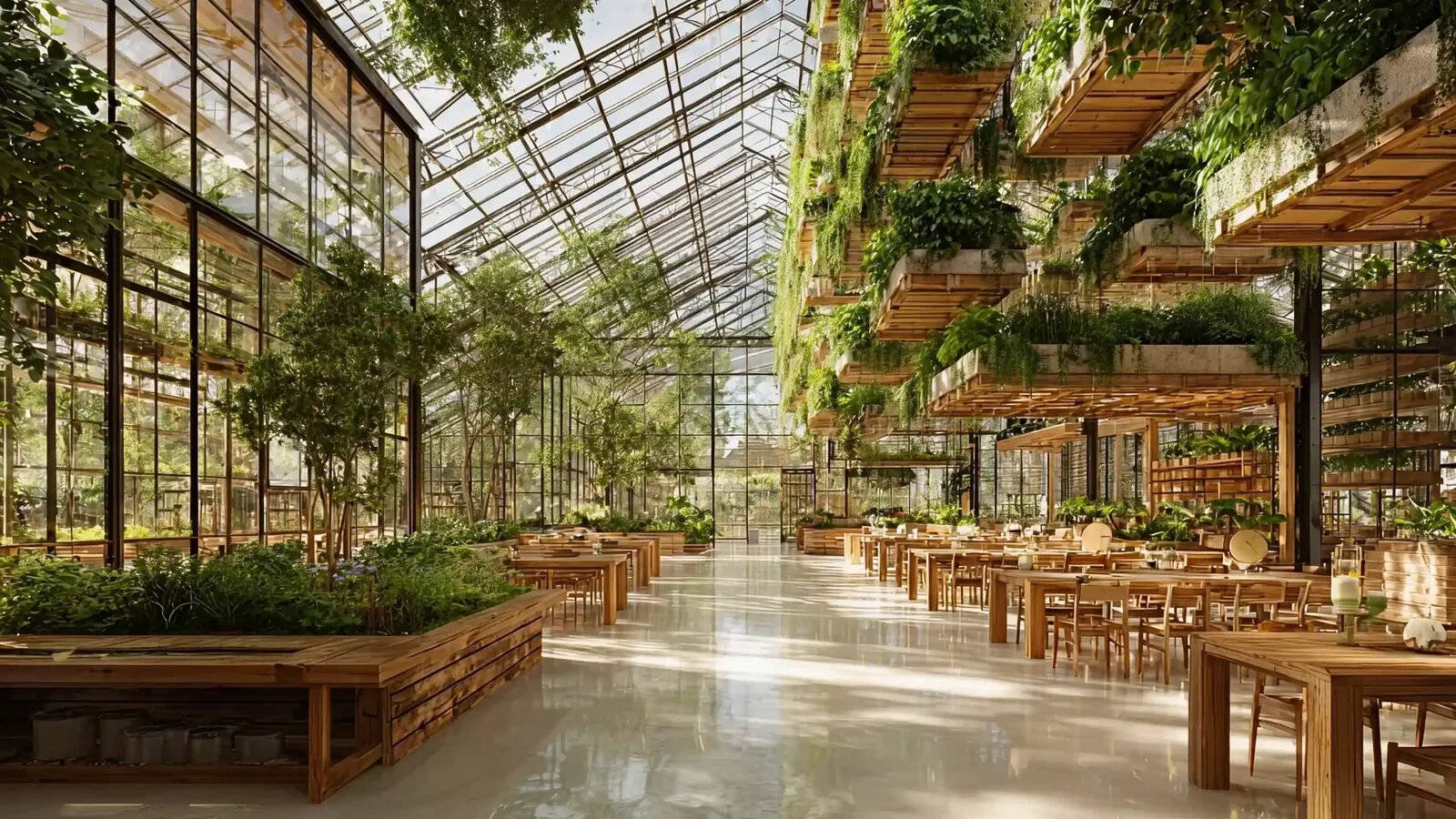
A self-sufficient community manages energy, water, part of its food and its shared life together. For the acquirer, it is the logical next step in sustainable real estate: longer stays, an aligned audience, less churn, and an asset better shielded from passing fads.
The idea of acquiring a house and being done is starting to fall short. More and more people want something else: places to live, work and connect inside a community that runs like a small ecosystem. Hence the pull toward self-sufficient communities, developments where energy, water, part of the food and daily life are organized together.
Why community is central again
For years the focus was the single home: square meters, views, finishes. Now the value shifts to the whole: who lives there, how daily life is organized, which services are shared, and what impact it has on the surroundings.
From the isolated home to the full ecosystem
A self-sufficient community is not a cluster of houses stuck together. It is a project designed as an organism: space to socialize, areas to work, plots to grow food, and infrastructure that cuts reliance on the outside.
Living together, purpose and sustainability
Whoever picks a place like this usually wants more than quiet. They want coherence between their values and their way of living: less waste, less excess, more contact with nature and with people who think alike.
What defines a self-sufficient community
Energy
It usually blends renewable generation (solar, for instance), bioclimatic design to consume less, and smart management systems. The point is not to produce a lot but to need less to run well.
Water
How water is handled says a lot about a project: capture and storage, proper treatment, and responsible use across homes and common areas. Where water is a delicate resource, this is critical.
Food
Not all reach total self-sufficiency, but many add gardens, agroforestry and local production of part of the food. That cuts dependence and builds more economic resilience.
Community management
There is no self-sufficiency without organization. Well-designed communities define how decisions are made, which rules govern living together, and which part of the operation is professionalized. When those systems work, quality of life rises and conflicts fall.
What the acquirer gains
- Long stays and an aligned audience: whoever moves in, even seasonally, stays longer, which means less churn, stable relationships and more predictable income.
- Loyalty: if the daily experience is good, the person returns, recommends, and often wants to deepen their tie to the project.
- Better medium-term performance: a coherent community draws a very specific kind of resident, and that tends to protect the value of the asset.
Why 2026 drives this model
Remote work, a search for a simpler life, genuine concern about the climate, and fatigue with crowded cities. The sum pushes many to explore new ways of living, and self-sufficient communities fit the moment.
They answer several questions at once: how to live better, how to depend less on fragile systems, and how to put capital into something that makes sense long term. Our eco-villa masterplan in San Fernando, in Camarines Sur, moves in that direction, with a rental run by the team and a registered 99-year leasehold. Compare both projects and their numbers on each project page.