
The Philippines enters 2026 in consolidation mode: an expanding economy, infrastructure under construction and tourism back to record numbers. For anyone scanning Southeast Asia, it is still one of the markets with the best balance of entry price, upside and legal security, thanks to the 99-year leasehold.
Philippine real estate has spent months in a phase of growth and international opening. With the pandemic behind it and reforms underway, the country has earned a spot on the radar of foreign capital. Here is why it deserves serious attention in 2026.
1. A growing economy and macro stability
The Philippines keeps GDP growth around 6% a year, among the highest in the region. That steady expansion feeds construction, tourism and services, with an exchange-rate stability that reassures anyone arriving from abroad.
2. Infrastructure on the rise
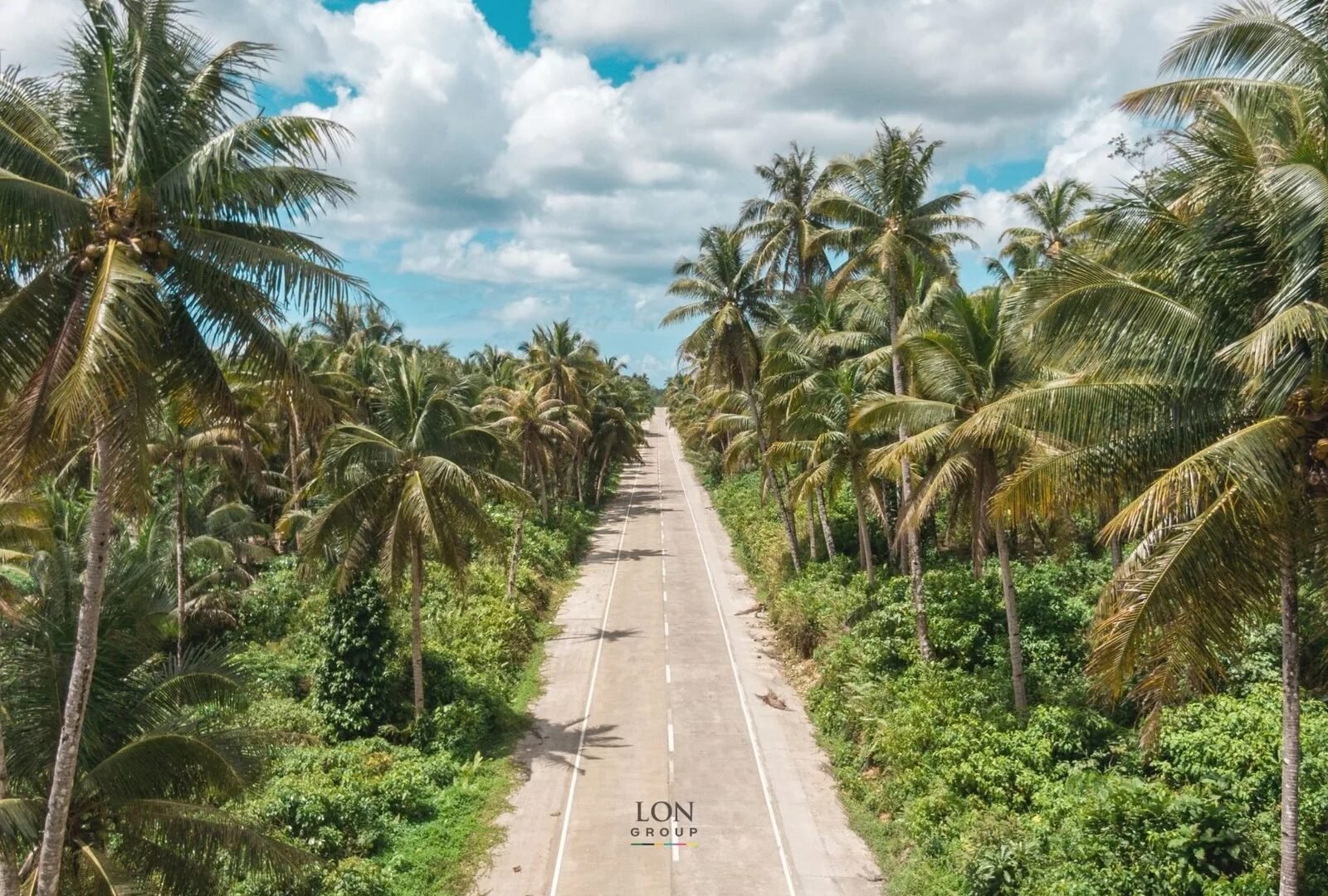
The Build Better More programme pours a huge budget into roads, airports, ports and transport. Those works create jobs and spending, and lift areas that were underdeveloped before. For the market, that means stepping into strategic locations ahead of the value jump.
3. International tourism climbing
With borders open and strong promotion abroad, the Philippines is regaining its tourist pull. More visitors arrive every year, and that fuels the short-stay rental market. Tourism-oriented villas, apartments and eco-resorts perform especially well in areas like San Fernando or El Nido.
4. A legal frame friendlier to foreign nationals
Over recent years the government has modernised its laws to draw in capital. Recent reforms make it easier to set up companies and reach the market under clear legal schemes, and the 99-year leasehold gives a foreign national a firm right of use without titling land.
5. A market in take-off
After the post-pandemic correction, prices are rebounding but still sit below their ceiling. That window lets you enter at a good price and earn through rental income or appreciation over the coming years. Emerging areas like San Fernando, in Camarines Sur, grow steadily, without the speculative bubble of Manila or Boracay.
6. More digital nomads and expats
The lifestyle, the affordable cost, the nature and the hospitable culture draw a growing wave of remote workers and foreign nationals looking to settle. That profile wants comfortable, sustainable, well-connected homes, and it pushes a new generation of projects.
7. Favourable currency and an accessible entry
The exchange rate against the euro and the dollar still works in favour of those coming from abroad, opening quality homes at competitive prices. Next to other Southeast Asian markets, the Philippines keeps a lower entry cost, which trims the initial risk and lifts the net return.
2026: a window that will not repeat soon
The mix of economic, political and social factors makes 2026 a pivotal year for Philippine real estate. It is not only about returns: it is about joining a sustainable development model with plenty of road ahead. If you are exploring the Philippines, this is a good moment for the next step. Book a call and get advice tailored to your case.