
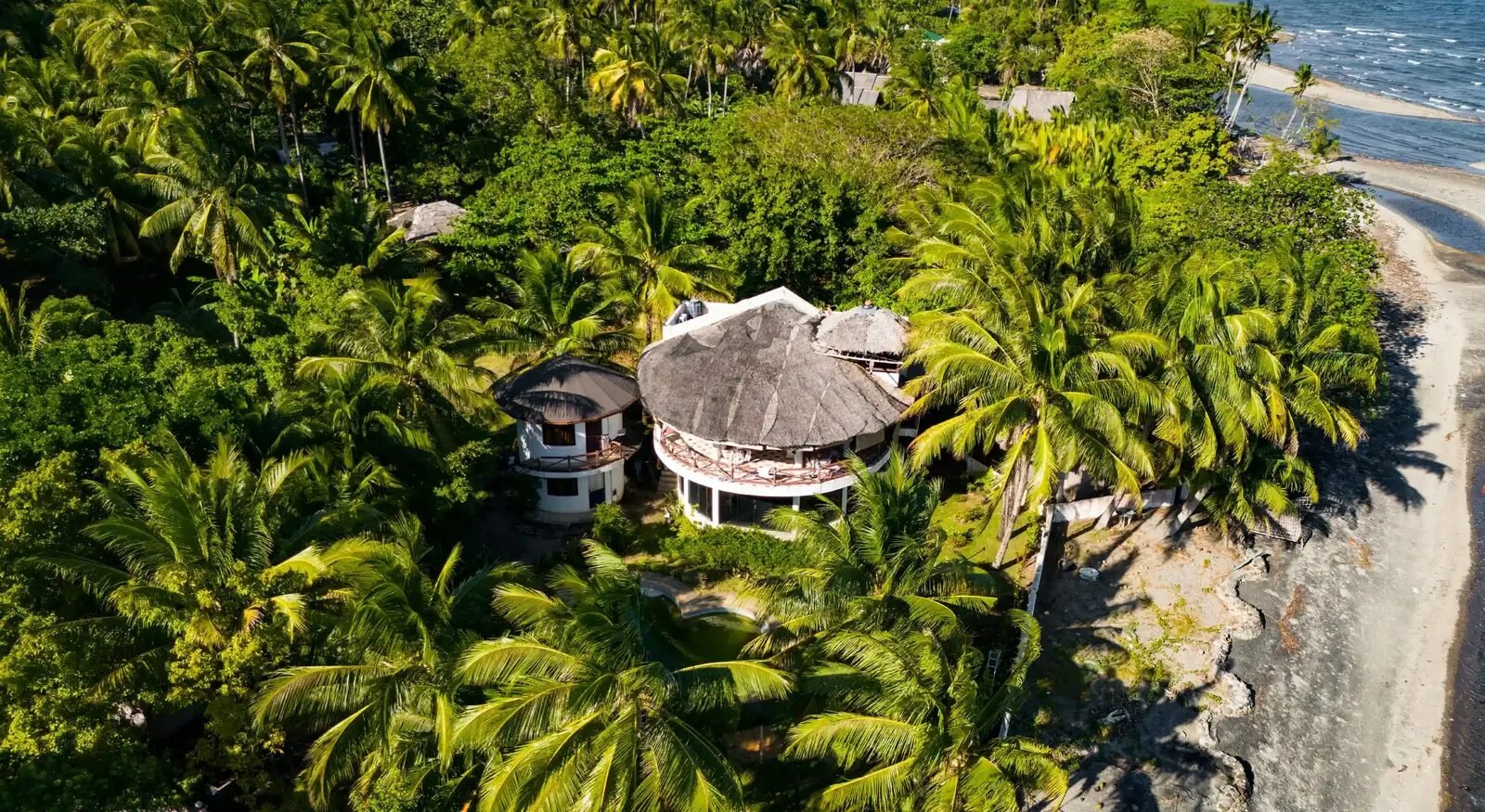
The Philippines is shifting from a bucket-list escape into a serious market for sustainable real estate. The pull is concrete: entry costs still sit below saturated neighbours like Bali or Phuket, demand from remote workers keeps climbing, and a 99-year leasehold lets a foreign national sign the right to use an identified unit without titling land. Land of Nomads builds eco-villas here and runs the rental for you.
For decades the Philippines was the hidden gem of backpackers and divers. That chapter is over. The archipelago went from dream getaway to strategic ground for long-horizon capital, and it did so without losing what made it worth the trip: raw beaches, jungle and a culture that is still very much alive.
From hidden gem to strategic hub
While Bali and Phuket wrestle with saturation and thinning margins, the Philippines offers a mix that is hard to find in Asia:
- An entry cost that is still reachable, with the square metre priced well under other premium spots in the region.
- Demand that is speeding up, as digital nomads and long-stay travellers ask for eco-conscious homes that are in short supply today.
- A clear legal frame: the 99-year leasehold gives a foreign national real security without titling the land.
Green is no longer a nice extra, it is the asset
Acquiring with a positive footprint stopped being a luxury and became the core of the deal. The new wave of projects are eco-villas and self-sufficient communities drawn from the blueprint to cut impact: integrated solar, advanced water treatment and local materials. San Fernando, in Camarines Sur, reads like a manual for what is coming: comfort and design without wrecking the surroundings.
Three reasons to move before 2026 is fully underway
This is not a distant promise. The numbers back it.
- Premium and remote tourism on the rise. The country is on track to clear ten million international visitors, and a growing slice is not after a hotel but a home: professionals and families who want long stays in well-connected communities.
- Friendlier rules for foreign capital. Red tape weighs less than in Indonesia or Vietnam, with more transparent steps and a more predictable legal path into the market.
- Solid returns with contained risk. Low saturation buffers the speculative swings. Land of Nomads works with target yields of 12% to 25% a year, depending on the project and the unit type.
Community as a value multiplier
Beyond the spreadsheet, the real draw is the lifestyle. These eco-villas are worth more than the sum of their build; the value sits in the community around them: people who put quality of life, water sports and a slower rhythm first. That community keeps demand steady and shields the asset from drops driven by speculation alone.
The Philippines has gone from emerging market to the new frontier of sustainable real estate. To see how it lands on a real project, San Fernando, in Camarines Sur, starts at $1,159.75 a month with a $39,900 down payment, and the local team runs the rental. You can also read what the press has published about us.